About
I built the guide I needed in 2016.
I'm not a shop, a broker, or a magazine. I'm an owner who dropped his dad's '67 at a paint shop and didn't get it back for two years.
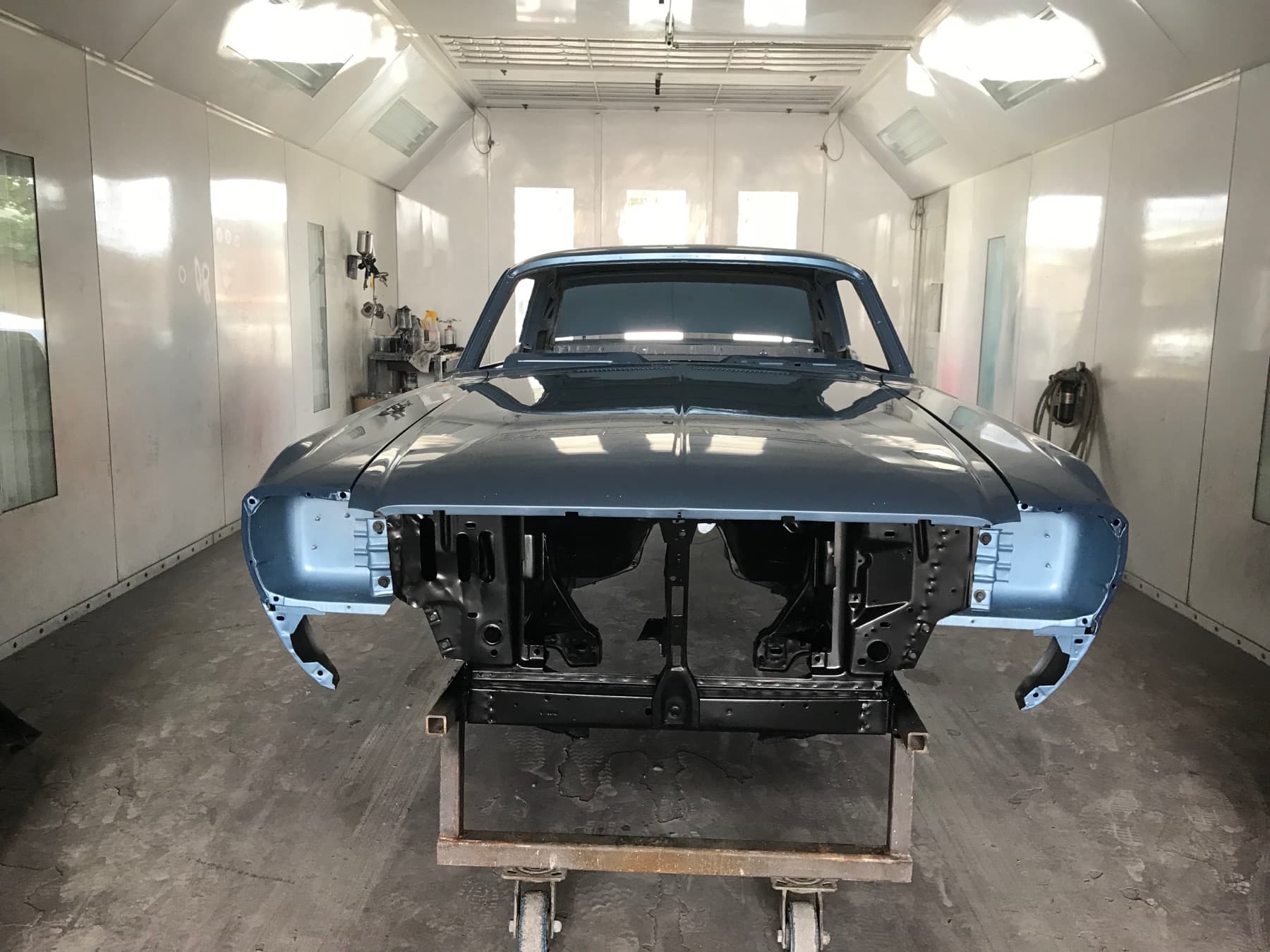
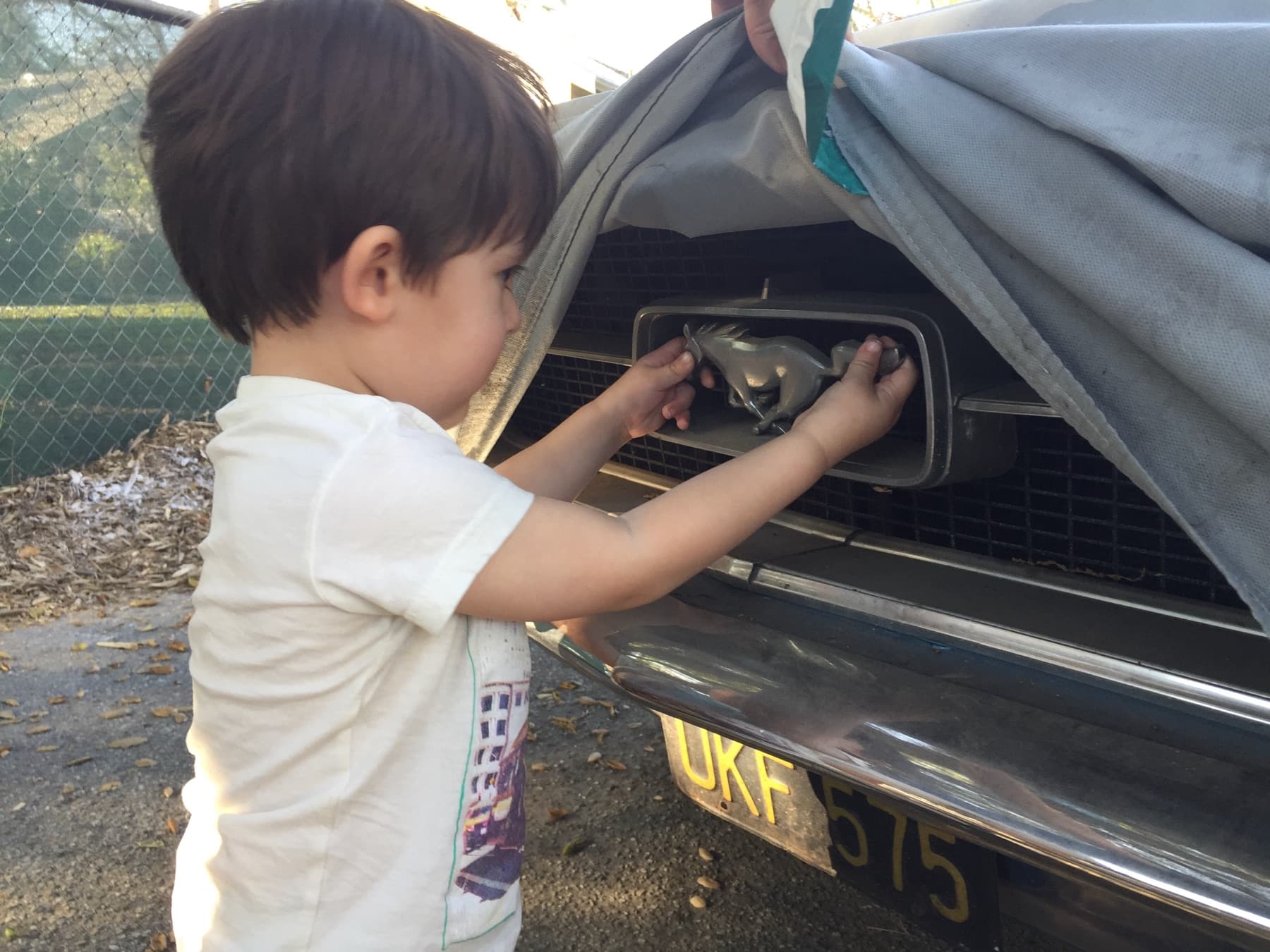
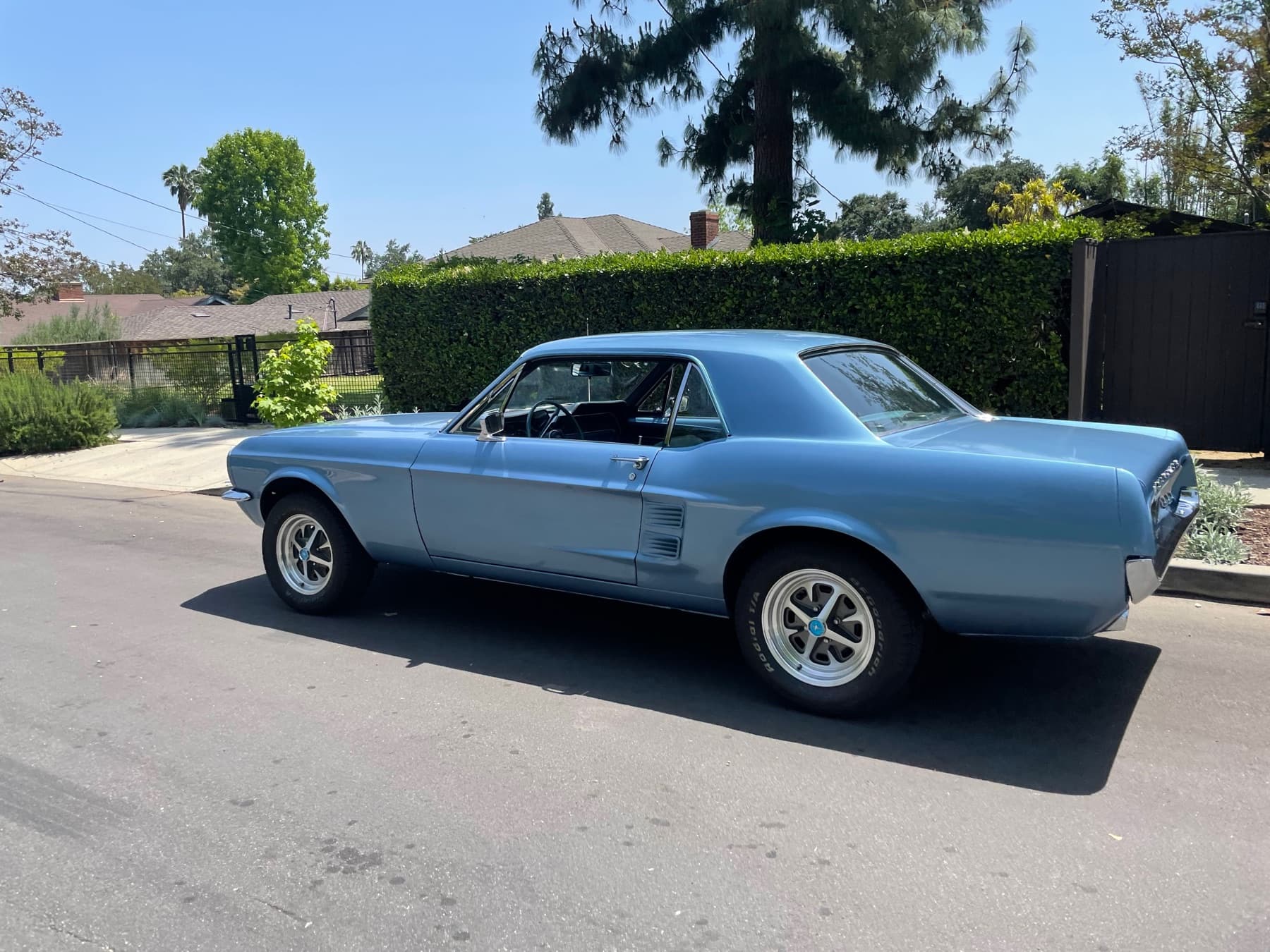
This is my dad's car. A 1967 Mustang coupe, family-owned since new. My dad is an immigrant; the '67 was his first new car. Per the Marti Report it was built at the San Jose plant on February 1, 1967, in Brittany Blue — Ford's #1624-A. My brother and I both learned to drive on it. It's not valuable. It's just impossible to part with.
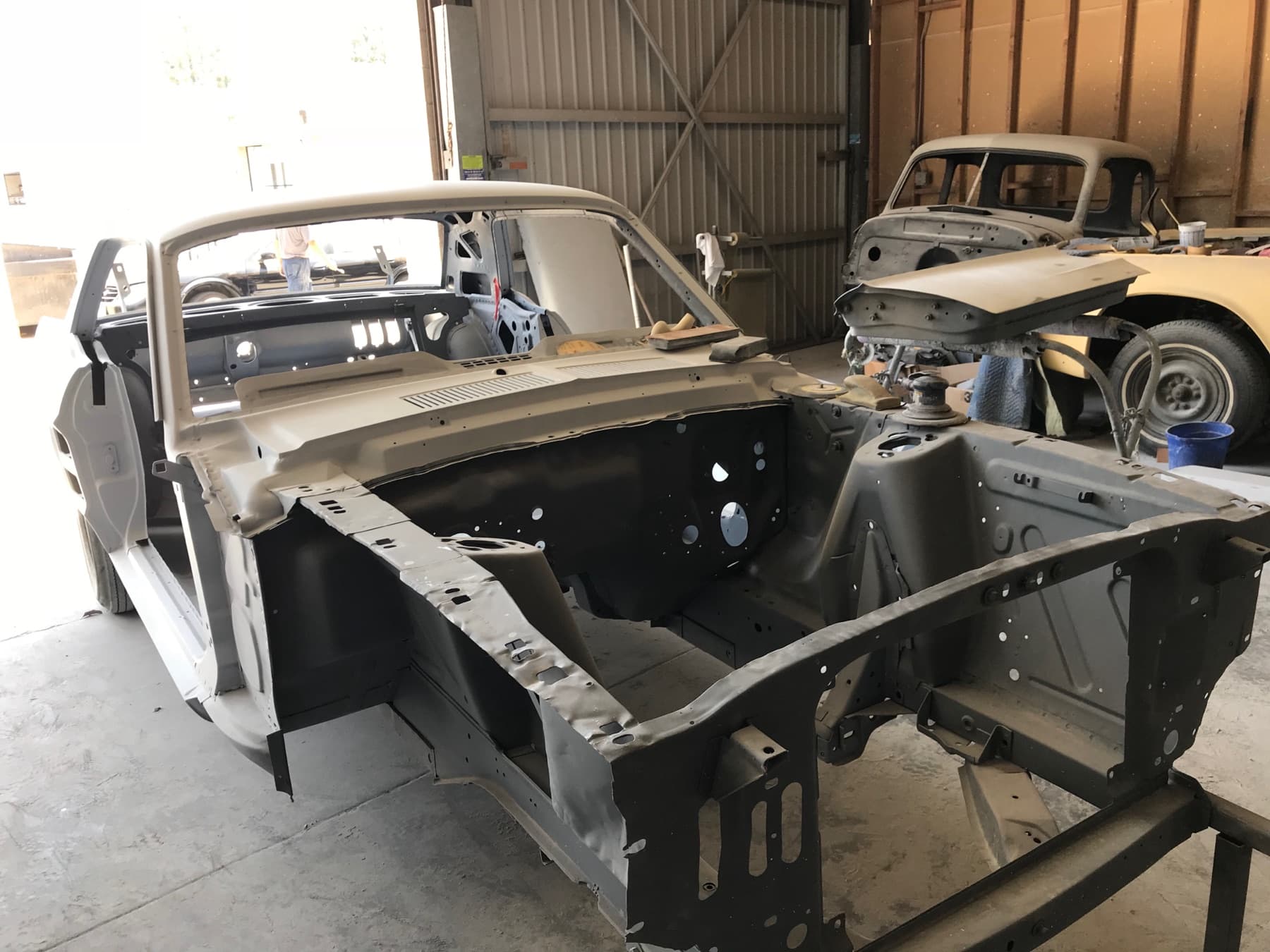
In 2016 I dropped it at a Southern California paint shop on a one-page work order with no timeline, and paid $6,000 in cash in waves as the work went. Four weeks in, the contact I'd been dealing with was gone, and the new guy could only tell me I was “twelfth in line.” The shop ran fast insurance-collision jobs up front and let the classics wait. It took two years.
“The paint was fine. I got lucky.”
Lucky isn't a plan. I had no contract worth the name, no schedule, no way to know whether “twelfth in line” was honest or a brush-off. The information I needed existed — it was just scattered across a thousand invoices and forum threads and never written down for the person about to hand over a car and a stack of cash.
Years later I toured Jay Leno's garage and told him this story — the immigrant dad, the first new car, the two-year wait. He said he buys his cars on the story, not the spec sheet. That stuck. The '67 isn't an asset; it's the reason any of this matters, and it's why the goal was never to make the money back.
So I wrote down every question I should have asked before I dropped that car off — and then realized the list was the product. Restore My Classic isn't a shop, a broker, or a marketplace. It's the diligence I wish I'd run before I wrote the first check.
What this is, and what it refuses to be.
What Restore My Classic is
- The diligence kit for the deposit moment — the questions, clauses, and costs you need before you commit.
- Built and used by an active owner, mid-restoration, in Los Angeles.
- Specific: named questions, ready-to-localize clauses, and cited cost ranges.
- Mustang-anchored today; the method works for any classic.
What it isn't
- A restoration shop or a broker. We don't turn wrenches, and we don't take a cut of your build.
- A parts vendor or a marketplace. We sell no metal.
- Investment advice. You won't make your money back, and that's fine — that was never the point.
- Legal advice. The clauses are a starting draft for your attorney to localize, not a substitute for one.
Four rules, no exceptions.
Numbers over adjectives
"$1,540–$4,500," not "affordable." A range you can act on beats a feeling.
Names over vagueness
LEED Brakes, AAW Classic Update, TKX. Specific parts, specific shops, specific years.
Receipts over claims
Every number traces to a real invoice, quote, or public source. Authority is earned, not asserted.
Calm over hype
No "secrets," no "hacks," no countdown timers. Just the work and what it costs.
The '67 this all comes from.
Sourcing: every cost range and case on this site cites a public source. The fraud cases are court records and news reporting — not anonymized rumor. Where I share recovery odds, I call them pattern observations, not a dataset. The build figures come from the owner's own '67 — shop invoices, written quotes, and supplier price lists gathered in Los Angeles, re-checked as the build and the market move.
If you're about to write a big check, start here.
Every question I should have asked in 2016, organized into a system you can read in an evening and use the next morning.