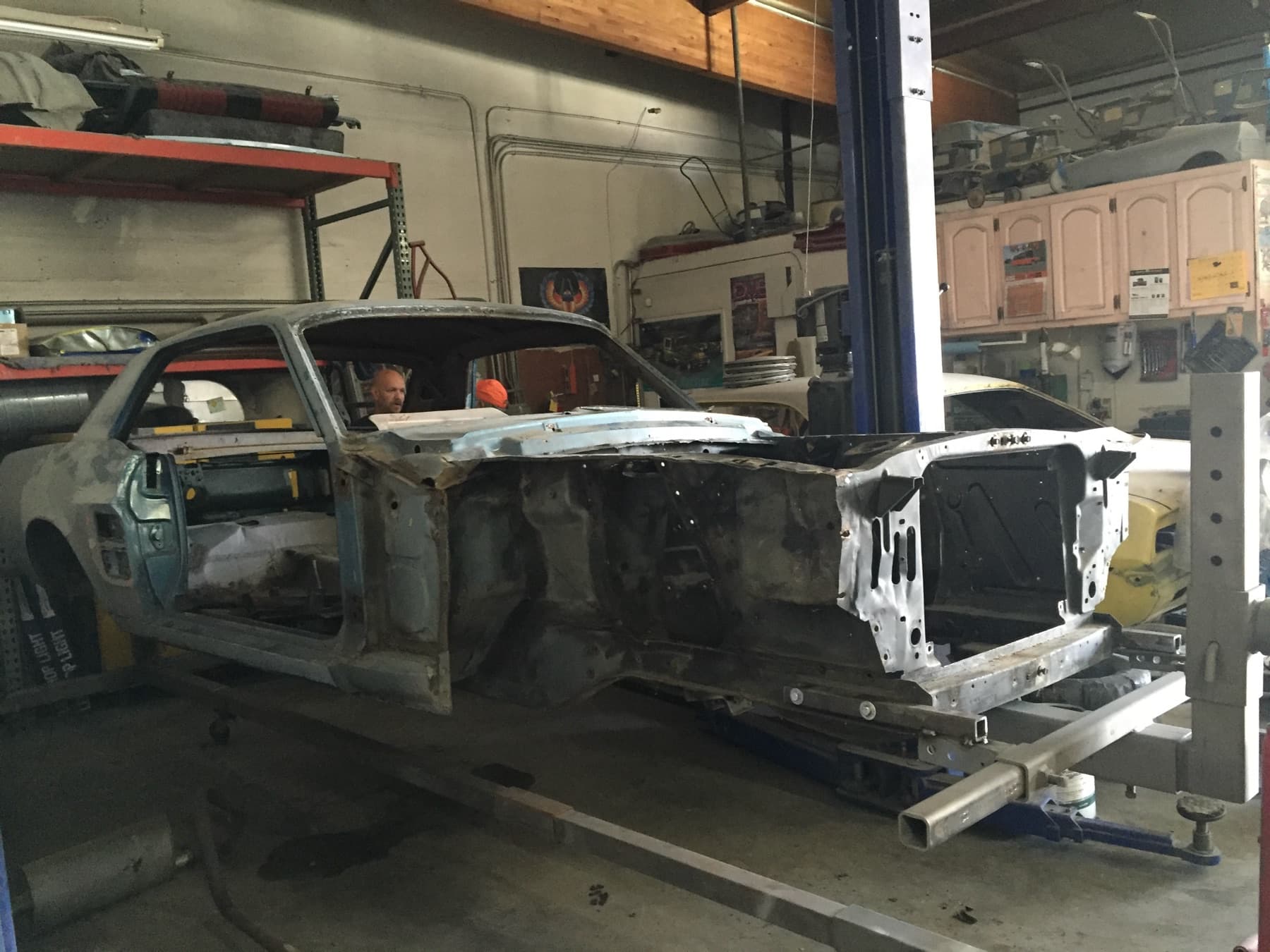
In 2016 I dropped my dad's 1967 Mustang at a paint shop in Southern California. I signed a one-page work order, paid in waves of cash — about $6,000 over time — and went home expecting to hear something in a few weeks. The work order had no timeline on it. I didn't notice that as a problem until it was the whole problem.
By week four, the person I'd been dealing with had gone quiet. Calls stopped getting returned. When I finally got someone on the line, I was told I was 'twelfth in line.' Not refused, not ripped off — just queued, indefinitely, behind whatever the shop would rather be doing.
What 'twelfth in line' actually meant
It meant insurance work came first. Collision jobs pay on a predictable cycle, the insurer covers them, and they keep a shop's lights on. My car — paid in cash, no deadline written anywhere — was the job they could always do later. So they did it later. For two years.
“A job with no deadline is the job a shop will always do last.”
I want to be precise about the outcome, because this isn't a horror story: the paint was fine. The work, when it finally happened, was good. I got the car back. But I got it back because the shop eventually got to it — not because anything I'd signed obligated them to. That's not diligence. That's luck. And luck is a terrible thing to bet your dad's car on.
The one clause that fixes it
Everything that went wrong traces back to a single missing thing: the work order defined no schedule and no consequence for ignoring it. You don't need a thick contract to fix that. You need one clause that does three jobs at once — and it's the clause I now tell every owner to insist on before a deposit changes hands:
- Milestones with dates — primer, blocking, paint, reassembly — not a vague 'few weeks.'
- A weekly photo update tied to those milestones, so silence becomes a breach, not a mystery.
- A defined termination path: if a milestone slips by an agreed window, you can reclaim the car and what you've paid against undelivered work.
That clause turns 'twelfth in line' from a thing a shop can say into a thing a shop can't afford to do. It doesn't make a shop dishonest if they push back on it — but how they react tells you everything you need to know before you've handed over a dollar. I wrote it down after the fact. The point of the System is that you write it down before.
Before you hand over a deposit
Enter your email and I'll send you a free preview of the Shop Vetting System — a real sample of the method — to read before you hand anyone a deposit.
Ready now? Get the full Shop Vetting System — $19 →
Sources & notes
- First-person account — the author's own 1967 Mustang, dropped for paint in Southern California in 2016, roughly $6,000 paid in cash, returned after approximately two years.
- The milestone-and-termination checkpoint referenced here is one of the 24 contract checkpoints in the Shop Vetting System's Attorney Workbook.

Dorian Quispe
Restoring a '67 in Los Angeles, and writing down what it actually costs. Author of the Shop Vetting System.